Antioxidants, Explained Without the Hype
Antioxidant is one of the most used and least explained words in the supplement aisle. Here is what it means and what it does not.
The basic idea
Normal metabolism produces reactive molecules, often called free radicals, as a by-product of turning food into energy. In moderation these are useful — the body uses them for signalling and immune function.
In excess they can damage cell components, a state usually described as oxidative stress. Antioxidants are compounds that neutralise reactive molecules, and your body makes its own alongside those you get from food.
Where moringa fits
Moringa leaf contains a substantial mix of polyphenols: flavonoids such as quercetin and kaempferol glycosides, and phenolic acids including chlorogenic acid. These have measurable antioxidant activity, and that measurement is one of the better-characterised facts about the plant.
Where the honest limits are
Measured in a laboratory is not measured in a person
A compound's antioxidant capacity is usually assessed in a test tube. That tells you something real about the chemistry. It does not automatically tell you what happens after digestion, absorption and metabolism in a living body.
More is not automatically better
This is the part supplement marketing rarely mentions. Reactive molecules have legitimate biological roles, and the assumption that suppressing them as far as possible must be beneficial has not held up well in large trials of isolated high-dose antioxidants.
Food beats isolation
Where antioxidant intake is associated with good outcomes, it is generally in the context of diets rich in vegetables, fruit, nuts and whole grains — not isolated compounds at high doses. Whole plants deliver a mixture in modest amounts, which appears to matter.
What that means for a moringa capsule
Moringa Leaf Complex is a whole-plant preparation rather than an isolated compound at a heroic dose, which is the more sensible end of this. It contributes a modest, varied intake of plant compounds as part of a wider diet.
That is a reasonable thing to take a supplement for. It is not a reason to expect anything dramatic, and we are not going to suggest otherwise.
The claim we can make, and why it is worded that way
"Supports antioxidant activity" is a structure/function claim, which is what a dietary supplement is permitted to say. It describes support for a normal bodily process.
What no supplement may claim is to treat, prevent or cure any disease — and if you see antioxidant claims that stray into that territory, that tells you something about the source.
The practical summary
Eat plenty of plants. Moringa is a decent addition to that, taken consistently. And be sceptical of anything claiming antioxidants will do something dramatic, ours included.
Sources
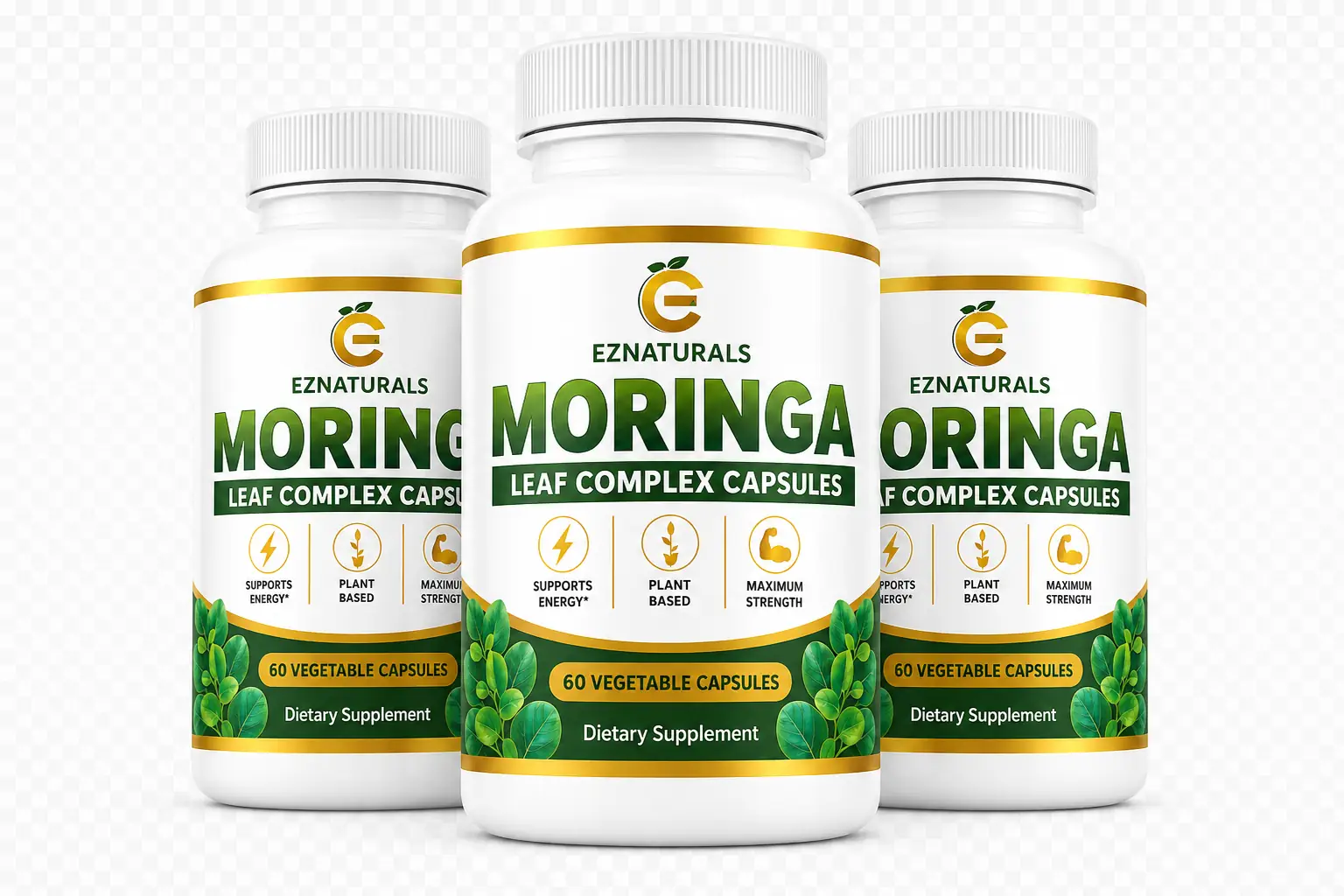
One Leaf. One Capsule. Every Day.
355 mg of moringa leaf per vegetable capsule, 60 capsules per bottle, and a 60-day money-back guarantee behind every order.
Choose Your Supply →